
Treasure in Jars of Clay 2 Corinthians 4:7-12

7 But we have this treasure in jars of clay, to show that the surpassing power belongs to God and not to us. 8 We are afflicted in every way, but not crushed; perplexed, but not driven to despair; 9 persecuted, but not forsaken; struck down, but not destroyed; 10 always carrying in the body the death of Jesus, so that the life of Jesus also may be manifested in our bodies. 11 For we who live are always being given over to death for Jesus’ sake, so that the life of Jesus also may be manifested in our mortal flesh. 12 So death is at work in us, but life in you.

In 2 Corinthians chapter 4, the scene unfolds in a small, dimly lit room in the city of Corinth. The room is filled with a group of early Christians gathered for a bible study session. Among them are Paul, the author of the letter, and his companions Timothy and Silas. The flickering light of a few oil lamps casts shadows on the walls. Paul words of encouragement and perseverance in the face of adversity resonate deeply with each person present. The small room becomes a sanctuary of faith and solidarity, as they are reminded of the treasure of the gospel that they carry within them, even in fragile clay jars.

The profound truth: despite our weaknesses and limitations, God’s power can shine through and sustain us during difficult times. It reminds us that we don’t have to rely solely on our own strength or abilities when facing challenges – instead, we can draw strength from a higher power.

When we face trials and tribulations, it can be easy to feel defeated or helpless. However, this verse offers a sense of hope and reassurance that we are not alone in our struggles. It prompts us to reflect on the ways in which God’s power has shown up in our lives, even in moments of vulnerability. Have you ever experienced a situation where you felt incapable of overcoming an obstacle, only to find unexpected strength or support that carried you through? This verse serves as a reminder that God’s power is limitless and can manifest itself in our weaknesses, transforming them into sources of resilience and courage.

Moreover, Paul’s reference to carrying in our bodies the death of Jesus speaks to the sacrificial nature of Christian living. It serves as a reminder of Christ’s ultimate sacrifice and calls believers to die to self and live for Him. Through this sacrificial living, believers are encouraged to manifest the life of Jesus in their bodies, reflecting His character and mission in their daily walk.

In today’s world, where individuals grapple with diverse forms of suffering, this passage remains relevant and offers a beacon of hope. It reminds us that despite our weaknesses and trials, God’s power is made perfect in our vulnerability. It calls believers to authenticity, urging them to embrace their weaknesses and allow God’s strength to shine through their lives, illuminating the darkness around them.  Let this truth fuel your determination to persevere in sharing the gospel. Will you step up and boldly live out your faith, no matter the obstacles?
Sin, its consequences and the Atonement

Sin, its consequences and the Atonement

Sin is so gruesome that the Lord had to institute measures in Leviticus that could for a time graciously provides atonement for sin through the shedding of blood. In Leviticus 4 laws were provided to Moses to be given to the people of Israel.

Laws for Sin Offerings Leviticus 4

If anyone sins unintentionally in any of the LORD’S commandments about things not to be done, and does any one of them, 3 if it is the anointed priest who sins, thus bringing guilt on the people, then he shall offer for the sin that he has committed a bull from the herd without blemish to the LORD for a sin offering. 4 He shall bring the bull to the entrance of the tent of meeting before the LORD and lay his hand on the head of the bull and kill the bull before the LORD. 5 And the anointed priest shall take some of the blood of the bull and bring it into the tent of meeting, 6 and the priest shall dip his finger in the blood and sprinkle part of the blood seven times before the LORD in front of the veil of the sanctuary. 7 And the priest shall put some of the blood on the horns of the altar of fragrant incense before the LORD that is in the tent of meeting, and all the rest of the blood of the bull he shall pour out at the base of the altar of burnt offering that is at the entrance of the tent of meeting. 8 And all the fat of the bull of the sin offering he shall remove from it, the fat that covers the entrails and all the fat that is on the entrails 9 and the two kidneys with the fat that is on them at the loins and the long lobe of the liver that he shall remove with the kidneys 10 (just as these are taken from the ox of the sacrifice of the peace offerings); and the priest shall burn them on the altar of burnt offering. 11 But the skin of the bull and all its flesh, with its head, its legs, its entrails, and its dung— 12 all the rest of the bull—he shall carry outside the camp to a clean place, to the ash heap, and shall burn it up on a fire of wood. On the ash heap it shall be burned up. Leviticus 4:7-12

The similarity between the sin offering and the death of Jesus on the cross lies in their roles as forms of atonement for sin. 1.The sin offering in the Old Testament was a sacrificial act that symbolized the transfer of sin from the dividual to an innocent creature, which bore the penalty of death for the sinner.  

2.In the New Testament, Jesus’ death on the cross fulfills the role of the sin offering, as He becomes the ultimate sacrifice for humanity’s sins, offering His life to satisfy divine justice. 

3.Both the sin offering and Jesus’ sacrifice serve as a means of reconciliation with God, highlighting the substitutionary nature of Christ’s death, which is central to Christian theology. 

4.Both the sin offering and Jesus’ death on the cross represent the ultimate atonement for sin, emphasizing the importance of sacrifice in the context of redemption.

Jesus has given us Salvation and all we have to do is accept it. as Hebrews 3:15 says “Today, if you hear his voice, do not harden your hearts as in the rebellion.

Top 10 Lessons from the Old Testament Exodus 33

Top 10 Lessons from the Old Testament Exodus 33

Top 10 Lessons from the Old Testament Exodus 33  
1. The Importance of God’s Presence in Exodus 33, Moses understands the significance of God’s presence, saying, “If Your Presence does not go with us, do not lead us up from here” (Exodus 33:15). This highlights the necessity of seeking God’s guidance in every step of our journey. Just as Moses refused to move without God, we too should prioritize His presence in our daily lives, ensuring that our actions align with His will.
2. The Value of Intercession Moses’ intercession for the Israelites is a powerful reminder of the impact of prayer. He pleads with God on behalf of the people, demonstrating the importance of standing in the gap for others. “Now if indeed, I have found favor in Your sight, please let me know Your ways” (Exodus 33:13). This teaches us to be persistent in prayer, not only for ourselves but for those around us.
3. God’s Grace and Favor God’s response to Moses is a testament to His grace: “I will do this very thing you have asked, for you have found favor in My sight, and I know you by name” (Exodus 33:17). This reassures us that God is attentive to our needs and desires to bless us when we seek Him earnestly. His grace is abundant, and He knows each of us personally.
4. The Desire to Know God More Moses’ request, “Please show me Your glory” (Exodus 33:18), reflects a deep yearning to know God more intimately. This encourages us to cultivate a similar desire, seeking to understand God’s character and glory in our own lives. Our relationship with Him should be dynamic, always growing and deepening.
5. The Assurance of God’s Goodness God’s promise to Moses, “I will cause all My goodness to pass before you” (Exodus 33:19), is a powerful reminder of His inherent goodness. In times of uncertainty, we can trust that God’s nature is unchanging and that His plans for us are rooted in His goodness. This assurance can bring peace and confidence as we navigate life’s challenges.
6. The Holiness of God God’s instruction, “You cannot see My face, for no one can see Me and live” (Exodus 33:20), underscores His holiness. It reminds us of the reverence and awe we should have for God, recognizing His majesty and the sacredness of His presence. This awareness should inspire us to live lives that honor Him.
7. The Provision of God’s Protection God provides a safe place for Moses, saying, “There is a place near Me where you are to stand upon a rock” (Exodus 33:21). This illustrates God’s protective nature, offering us refuge and strength. In our own lives, we can find security in God’s promises, knowing He is our rock and fortress.
8. The Revelation of God’s Name When God declares, “I will proclaim My name, the LORD, in your presence” (Exodus 33:19), it signifies the power and authority of His name. Understanding the significance of God’s name can deepen our worship and trust in Him, as His name embodies His character and faithfulness.
9. The Balance of Justice and Mercy God’s words, “I will have mercy on whom I have mercy, and I will have compassion on whom I have compassion” (Exodus 33:19), highlight the balance of His justice and mercy. This duality assures us that while God is just, He is also compassionate, offering forgiveness and grace to those who seek Him.
10. The Call to Obedience Finally, Exodus 33 teaches us the importance of obedience. Moses’ willingness to follow God’s instructions leads to a deeper revelation of God’s glory. Our obedience to God’s Word opens the door to experiencing His presence and blessings in our lives, guiding us on the path He has set before us.

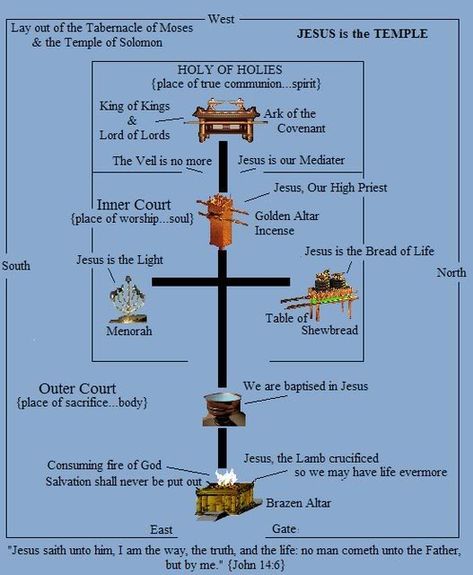
The Sanctuary

In the King James Version of the Bible, Psalm 77:13 states, “Thy way, O God, is in the sanctuary: who is so great a God as our God?” This verse is a powerful declaration of God’s greatness and the magnificence of His ways. The first part of the verse, “Thy way, O God, is in the sanctuary,” can be understood in a few different ways. The sanctuary is a place of worship and devotion, often associated with the physical dwelling place of God in the Old Testament. In this sense, the verse could be interpreted as an acknowledgment of God’s presence and guidance in the place of worship. It could also be seen as a recognition of God’s holiness and righteousness, as the sanctuary was a place where the Israelites sought forgiveness and atonement for their sins.
Another interpretation of “Thy way, O God, is in the sanctuary” is that it refers to God’s divine plan and purpose. The sanctuary was also a place where God’s people sought His will and direction. Our Father knows we relate to pictures more than words hence he gave us the plan of salvation pictorially.


I